Bugs
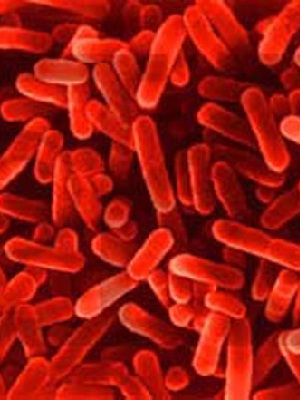 You might find yourself asking, “Why is it that the people around me display a common pathology — a cross between narcissistic disregard for others, a sense of entitlement, self-pity and a voracious appetite for more value?”
It is a modern pathology to have these things in combination. Modernity if it has any “theme” has separation. It separates the individual from nature, from a sense of natural order, from obligation to anything but self-pleasure and the labor that pays for it.
A modern person can elect to do nothing but go to a job, eat at fast food restaurants, and spend their time alone watching TV or playing video games. In fact, millions essentially do this, devoid of any human contact except that required by work.
Who is happy with this arrangement? It’s not enough for people who have an actual purpose in life. They want to find their own path, based on creating great things that are recognized by others. But they’re out of luck when the audience are the the people who are described above.
People who care about nothing beyond their isolated personal gratification will not appreciate art; they view it as an adornment for the self, and any art that communicates meaning will force them outside of the self for dangerous moments of instability.
Instead, the person who thrives in this type of environment is someone who cannot direct himself or herself. They need constant external distraction, entertainment or reinforcement, or they zone out and do nothing productive. If given a hunk of money, like a lottery win, they would be content to waste it all on fast cars and bar tabs, feeling like they were really looking cool, finally. Everything they do is about the self. Everything they have is designed to reflect the self.
The modern person is disagreeable because he or she is thrust into this situation and has no natural defenses against it. It exploits the weaknesses of the individual. Like bugs, acting alone means that all they do is feast on the largesse of decay and break down (deconstruct) that which exists. Some bugs transcend even this, when put into military orders like ants which can swarm to great effect. But the individual drugged on self-importance goes the other way.
We call it “freedom,” but in fact this state is isolation. We are addicted to the external stimulus that tells us how to live. Without it to tell us we have done well, we dislike ourselves. In short, we become addicts of the most dangerous drug, which is the approval of others. True, we’re free, but more likely, we don’t exist for ourselves. We are isolated from others in that we act out a role that they expect, but they don’t know us, or care to.
Our society even has its own solutions for this malaise. If you fall too far into the self and become selfish, they encourage you to either think of other people, or think of how you appear to other people. But like money, this too is a method of external control, and only operates while it is reinforced by society at large. Those who are trained in this method never gain a sense of the whole, only of the part. This is a symptom of a time when we insist any part is equal to a whole.
As human bugs, we control our future. We can opt to work alone, and be agents of decay, ending up as anarchic hunter-gatherers independent of civilization itself (and thus not possessing it, or its benefits in culture, arts, learning, etc). Or we can opt to coordinate ourselves and like the ants, work as a neural network that conquers its problems through intense collaboration. If we want the other however we’ll have to give up on our isolation.




- Popular
- Crowdism
- Ethnomasochism
- The Increasing Mediocrity Of Everything
- The Alt Right Is Tired Of Living In Mordor
- Nihilism Is The Basis Of Conservatism
- The Nationalism FAQ
- Beyond the Absolute
- Conservationism Versus Environmentalism
- The Self-Inventing Totalitarian State
- The Biological Basis Of Race
- Whites Going Their Own Way
- How Individualism Defeats Conservatism